Biodiversity Patterns Redefined in Environmental Space
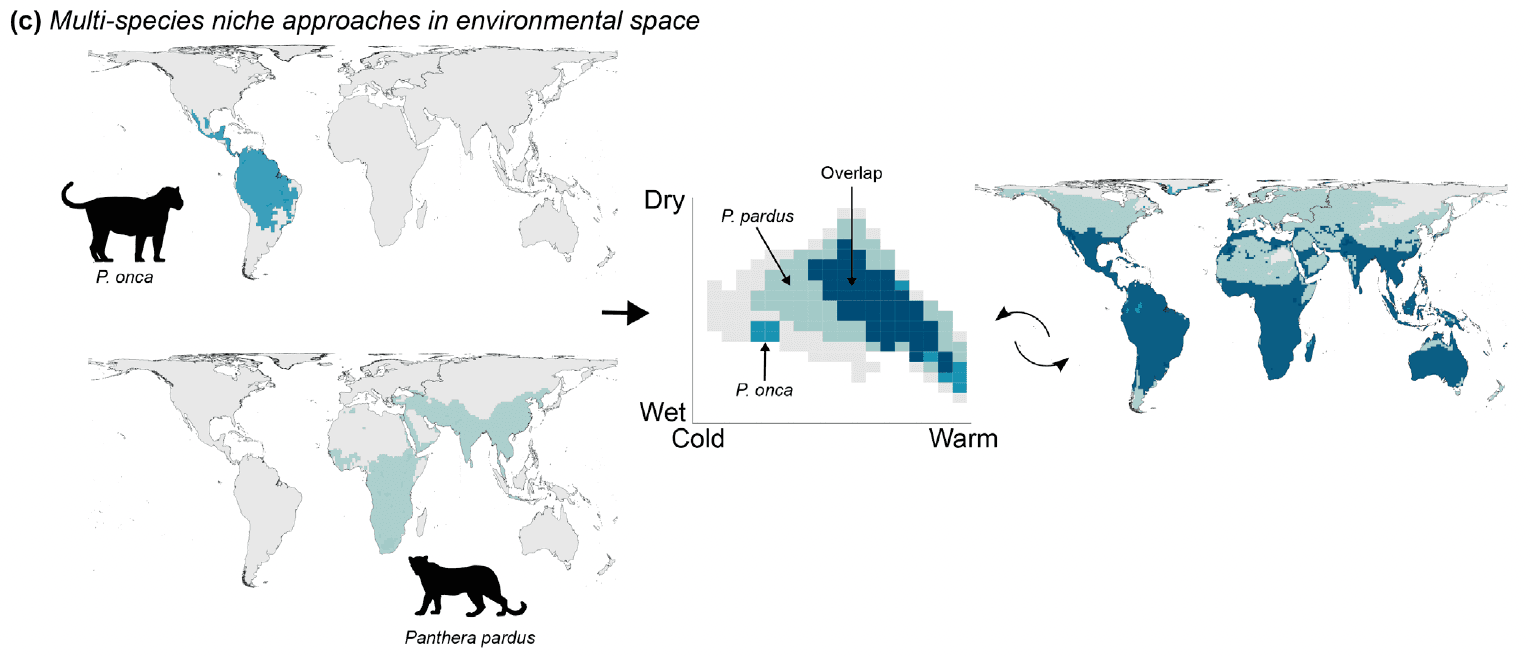
Graham et al. (2025) – Ecology Letters Biodiversity Patterns Redefined in Environmental Space Ecological and evolutionary questions addressing diversity-environment relationships have been evaluated almost entirely in geographic space, yet most…
Niche packing, but not niche expansion, explains the co-occurrence of hummingbirds-visited plants
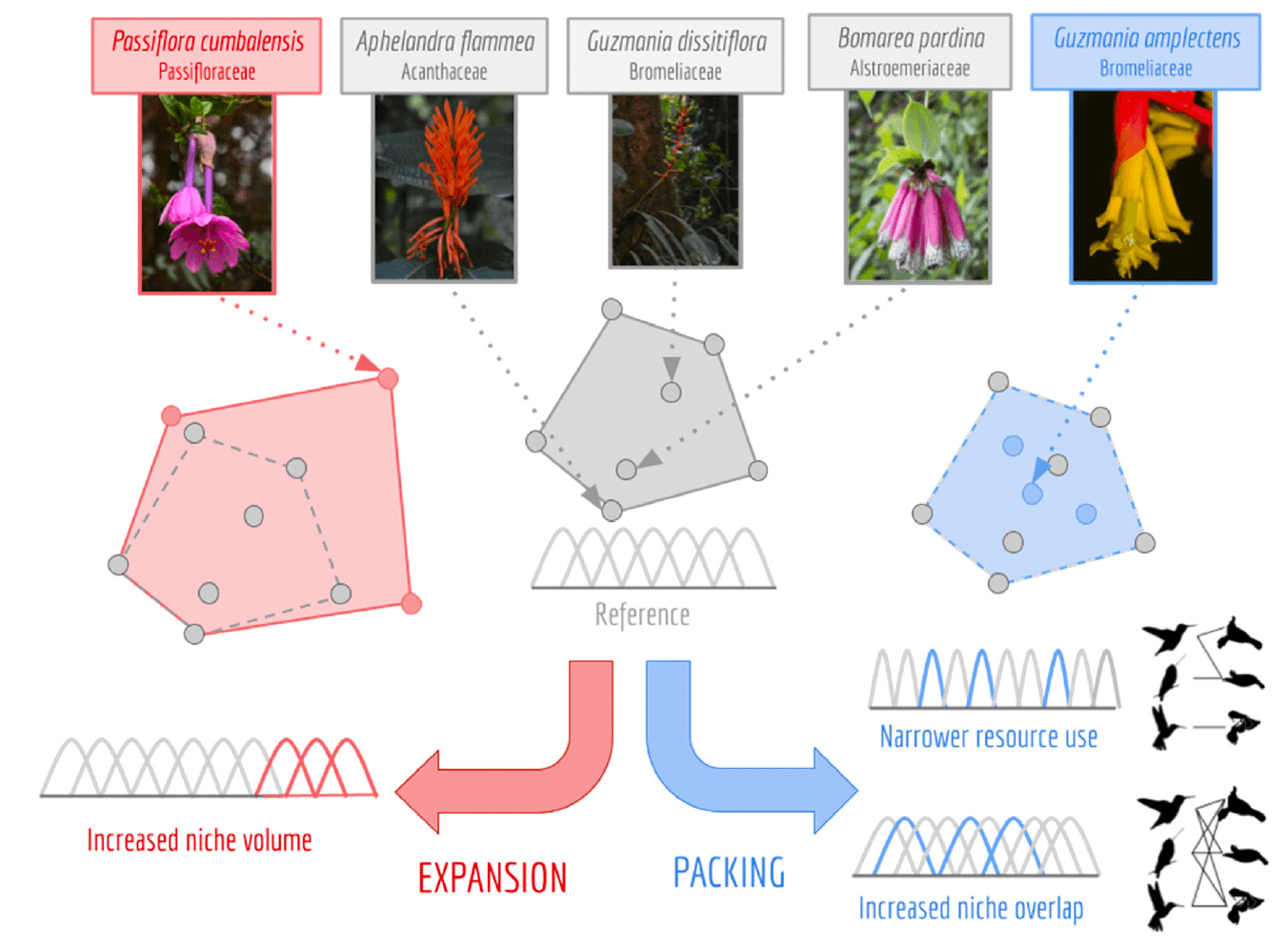
Oliveira et al. (2025) – Ecography Tropical mountains often harbour high species richness. Yet the mechanisms behind such high richness remain poorly understood. One prominent hypothesis for high species richness…
A Probabilistic View of Forbidden Links: Their Prevalence and Their Consequences for the Robustness of Plant–Hummingbird Communities
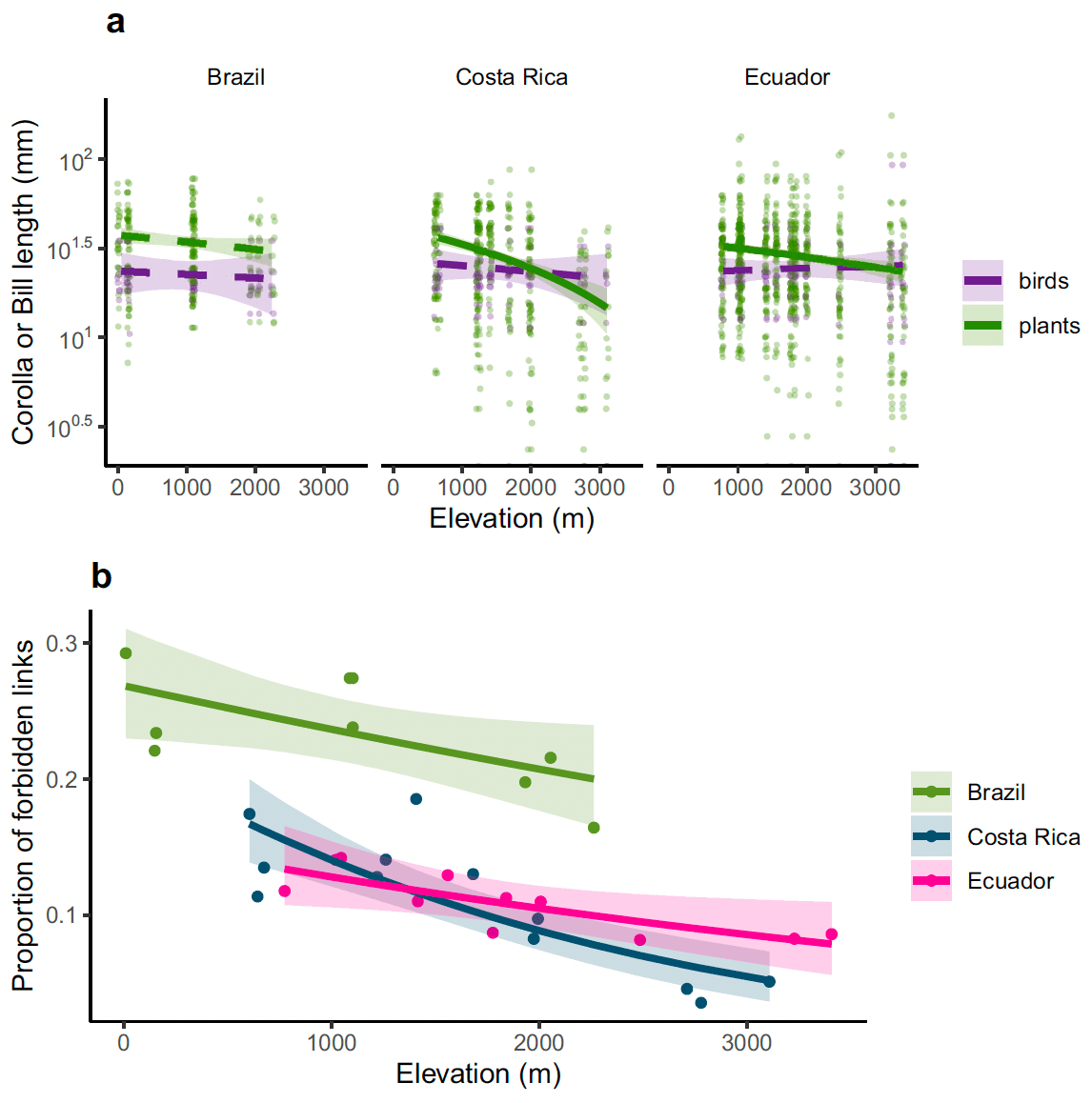
Duchenne et al. (2025) – Ecology Letters The presence in ecological communities of unfeasible species interactions, termed forbidden links, due to physiological or morphological exploitation barriers has been long debated,…
Macroevolution of the plant–hummingbird pollination system

Barreto et al. (2024) – Biological Reviews Plant–hummingbird interactions are considered a classic example of coevolution, a process in which mutually dependent species influence each other’s evolution. Plants depend on…
When cheating turns into a stabilizing mechanism of plant–pollinator communities

Duchenne et al. (2023) – PLOS Biology Mutualistic interactions, such as plant–mycorrhizal or plant–pollinator interactions, are widespread in ecological communities and frequently exploited by cheaters, species that profit from interactions…
The geography of climate and the global patterns of species diversity
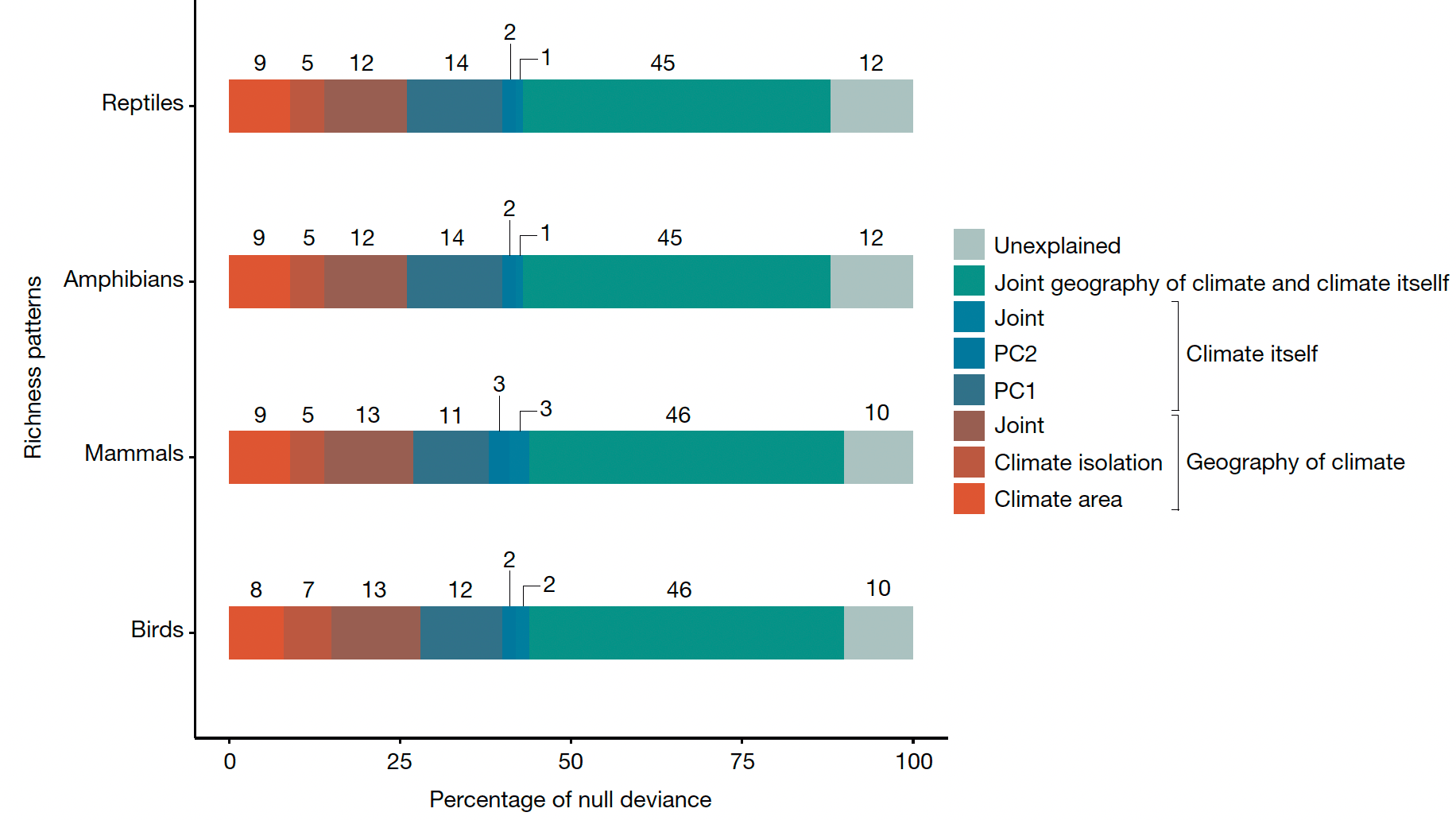
Coelho et al. (2023) – Nature Climate’s effect on global biodiversity is typically viewed through the lens of temperature, humidity and resulting ecosystem productivity. However, it is not known whether…
Accelerated body size evolution in upland environments is correlated with recent speciation in South American freshwater fishes
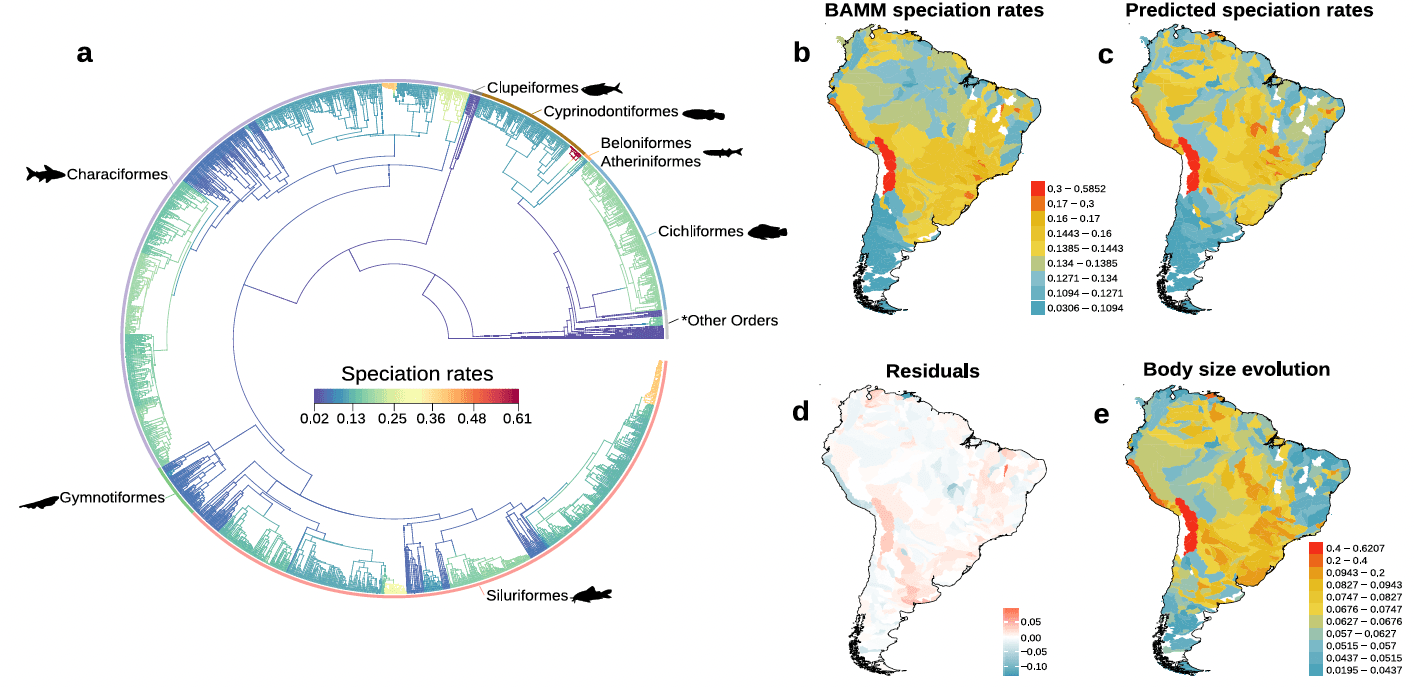
Cerezer et al. (2023) – Nature Communications Speciation rates vary greatly among taxa and regions and are shaped by both biotic and abiotic factors. However, the relative importance and interactions…
PALEO-PGEM-Series: A spatial time series of the global climate over the last 5 million years (Plio-Pleistocene)
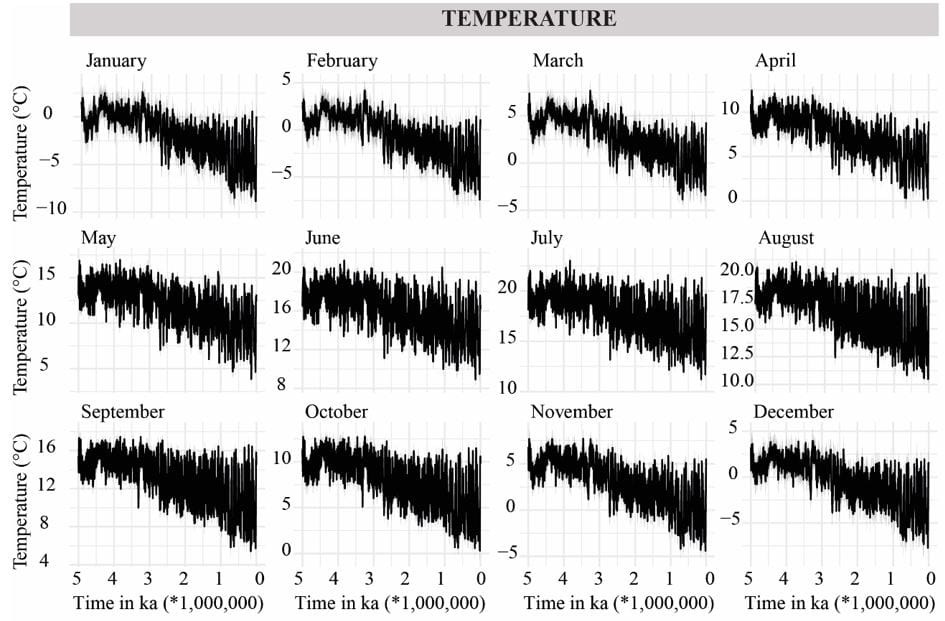
Barreto et al. (2023) – Global Ecology and Biogeography Motivation Climate change plays an important role in the generation and maintenance of biodiversity by driving processes such as diversification and…
Morphology and niche evolution influence hummingbird speciation rates
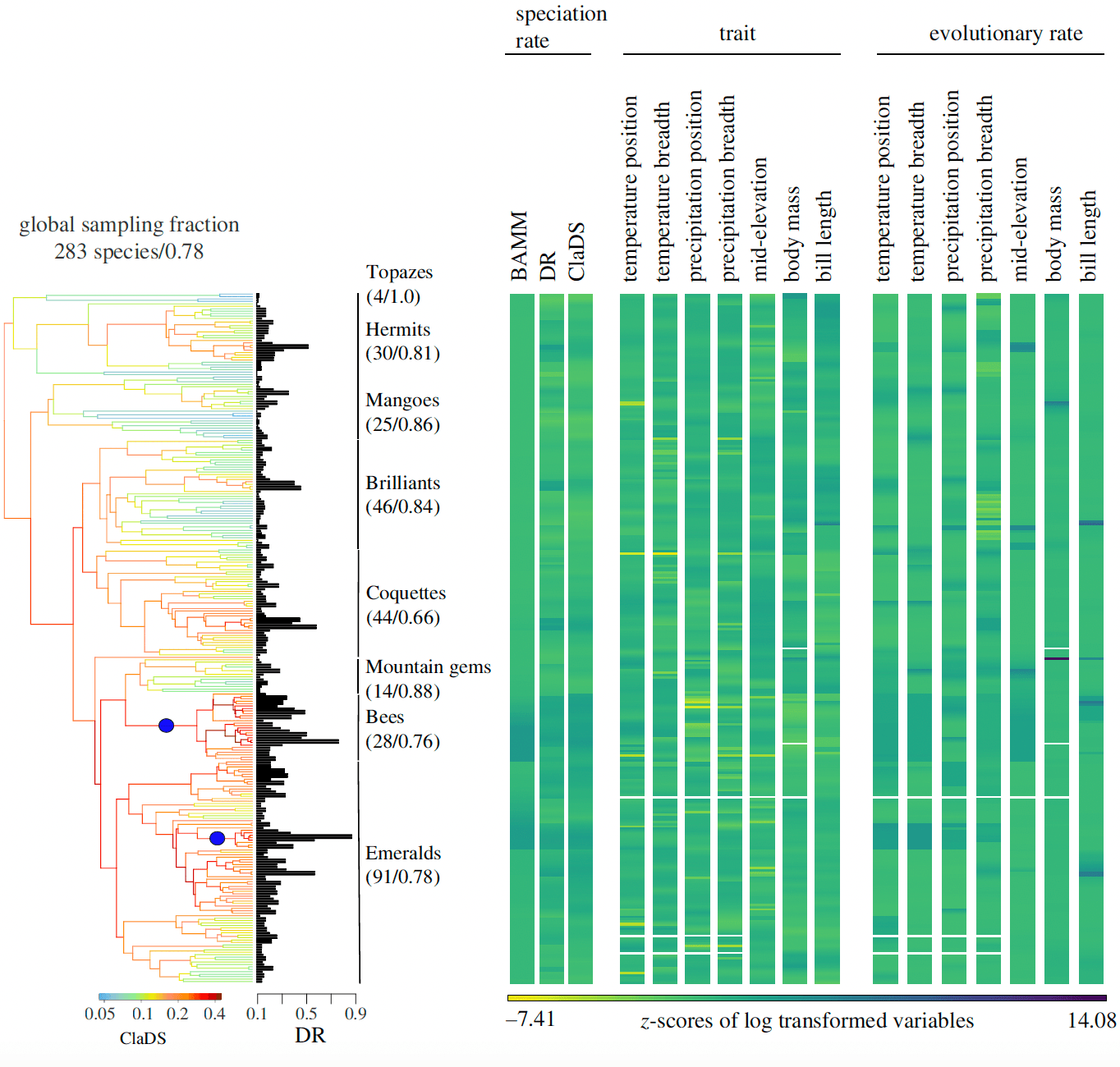
Barreto et al. (2023) – Proceedings B How traits affect speciation is a long-standing question in evolution. We investigate whether speciation rates are affected by the traits themselves or by…
Safeguarding sloths and anteaters in the future: Priority areas for conservation under climate change

Borges et al. (2022) – Biotropica Sloths and anteaters form the monophyletic order Pilosa, which is currently represented by only 16 extant species distributed exclusively in the Neotropics. This present-day…
The contribution of mutualistic interactions to functional and phylogenetic diversity
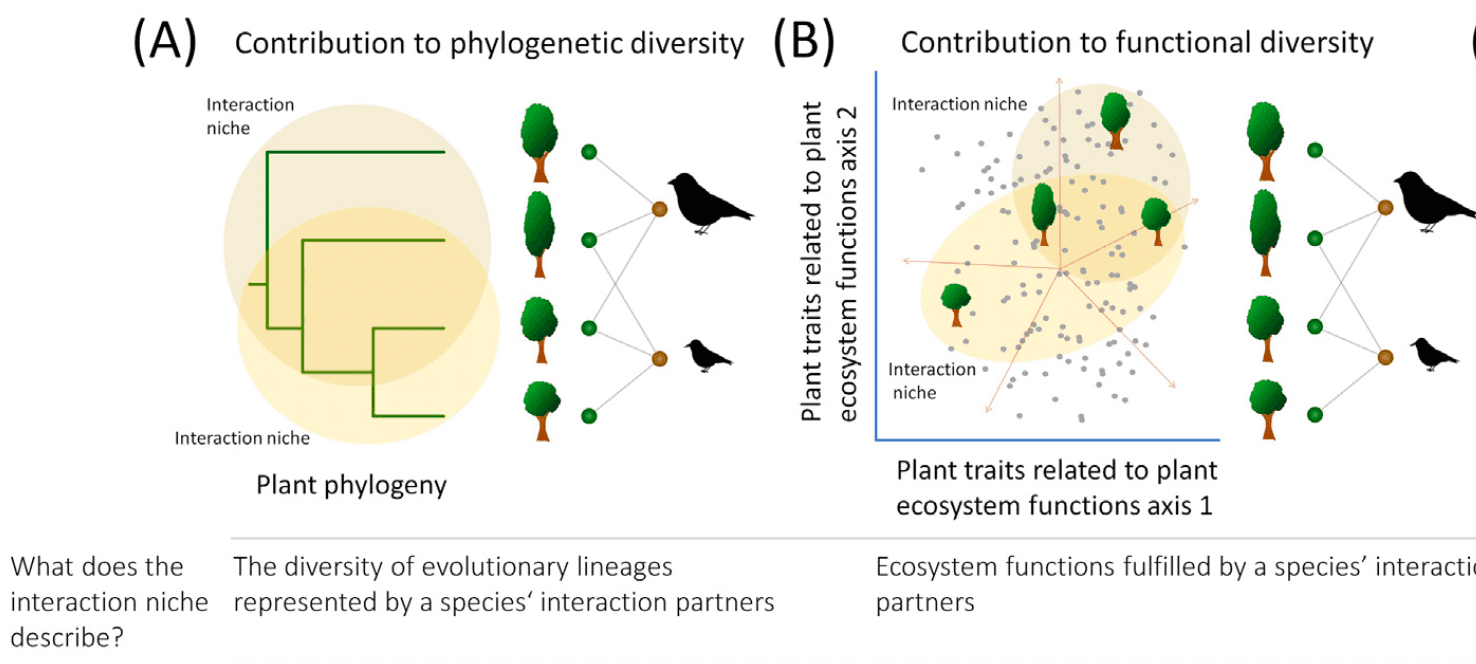
Dehling, Barreto & Graham (2022) – Trends in Ecology and Evolution Highlights Abstract Reduction of functional diversity (FD) and phylogenetic diversity (PD) likely affects ecosystem functions and reduces the potential…
Area, isolation and climate explain the diversity of mammals on islands worldwide
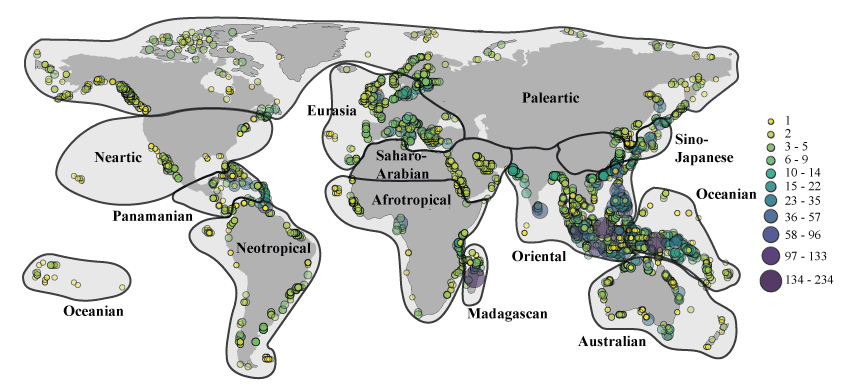
Barreto et al. (2021) – Proceedings B Insular biodiversity is expected to be regulated differently than continental biota, but their determinants remain to be quantified at a global scale. We…